Sarah Chapman Coaching
Mindset & Business coach for
ambitious rural & Regional women
Sarah Chapman Coaching
Mindset & Business coach for
ambitious rural & Regional women
From Invisible to Thriving: How Rural & Regional Women Built Profitable Businesses
See yourself in these stories. These women faced the same blocks you're facing. Here's how they broke through.
Judy Tones, Darling Downs
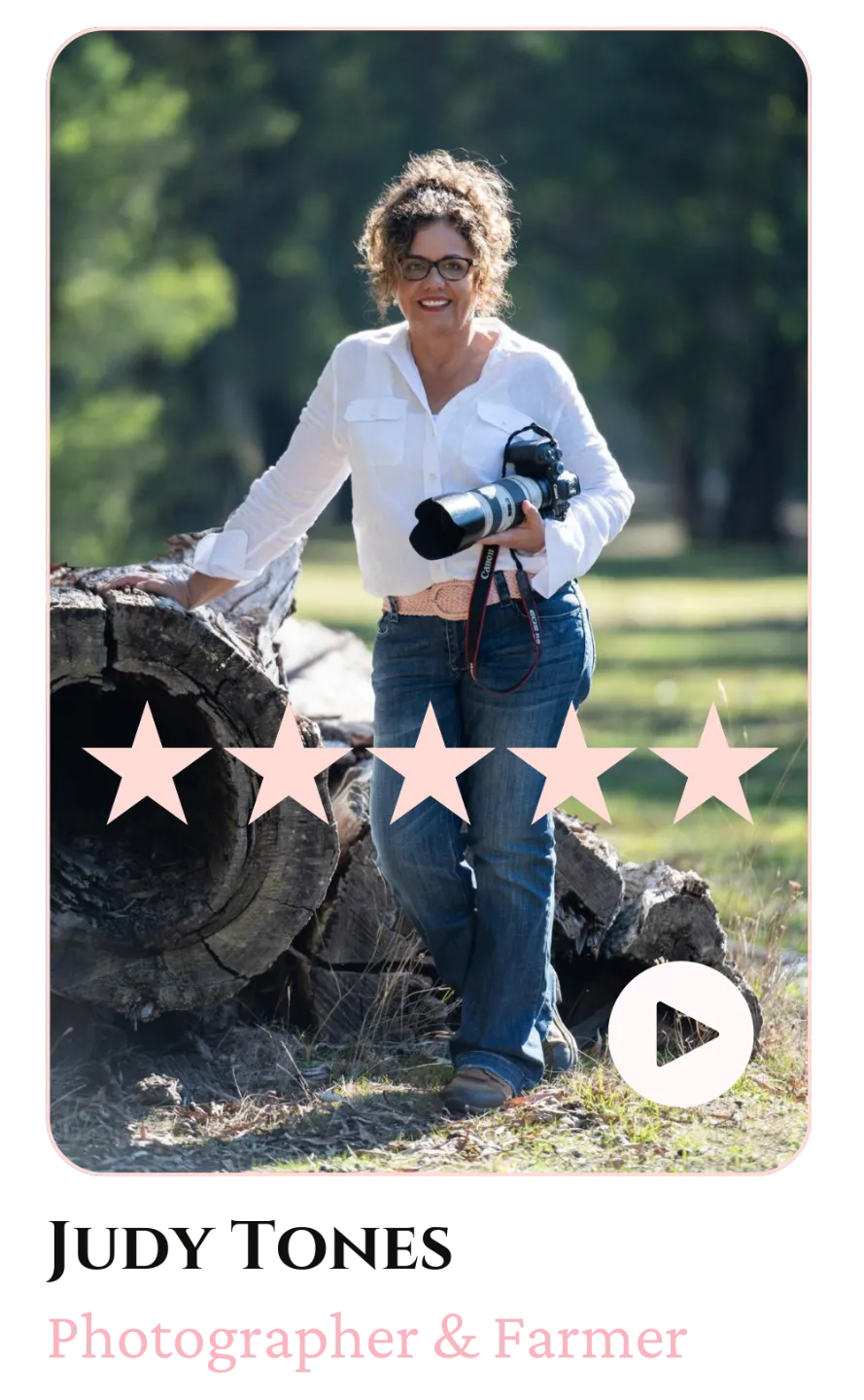
Judy's Story: From Invisible Talent to Booked Out
"I've learned to swim in my own lane with my photography. I know I'm a different photographer. My art is my art. How people perceive it is up to them. How I perceive it is up to me."
Judy is an equine photographer on the Darling Downs in Queensland. Talented. Really talented. Her clients loved her work. But inside her business, she was stuck. She'd invested in a photography mentor, sharpened her technical skills, built a reputation. The problem wasn't her ability. It was her belief in her ability.
She had imposter syndrome running the show. Judy would create amazing work, then talk herself out of posting it. "I don't think it's that good," she'd say. So she didn't market. She didn't show up. She just waited for word of mouth. And nothing moved.
The deeper thing? She had resistance to being seen. Vulnerability. Fear of judgment. Fear of rejection, even though her clients already loved her work and proved it was worthy.
When Judy started working with Sarah, they didn't add more action. They worked on the foundation. Mindset. Worthiness. Environment. They did the inner work and the healing that needed to happen first. And then something simple happened. Judy committed to showing her work. Weekly. Consistently. No stopping herself. She posted.
The response was immediate. Her photos got published in the Australian Camp Drafting Association magazine. Writers reached out wanting to use her images. People started recognizing her as the equine photographer who actually knows how to capture horses. She's booking work. And her confidence came back because her work was always worthy. It just needed her to be the one who believed it first.
Here's what Judy says about it: "I needed someone in the emotional business side for me to keep growing. That's where Sarah came in." And this one hits harder: "When I started posting, the feedback was phenomenal. The comments, the recognition. It gives you a boost and it does help your self-confidence."
That's the whole thing right there. Talented photographer. Stopped herself from being seen. Did the work. Started showing up. Got noticed. Got booked. The shift wasn't in her camera skills. It was in her willingness to be visible.
Yvonne Buckley, Atherton Tablelands
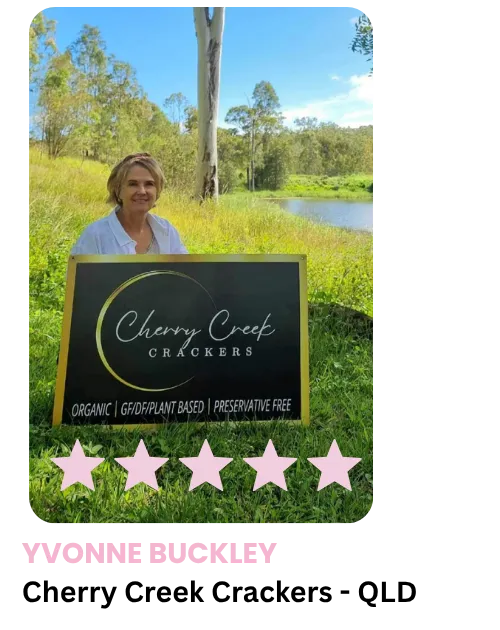
Yvonne's Story: From "Hell No" to Wholesale. How a Home Baker Went from Markets to High-Profile Restaurants
"The big thing I've learned is that I've got within me what I'm seeing in Sarah, in everyone else. But I've gotta let it surface and find out what is stopping me. Because the possibilities are endless, but it's knowing how to get there."
Yvonne is a cracker biscuit maker from Atherton Tablelands in far north Queensland. She's handcrafted a product that people love. But for a long time, she didn't believe in it herself.
She'd already proven the market wanted it. She was going to farmers markets. People were asking where they could buy her crackers. Wholesale shops locally were stocking them. By every measure, she had validation. But inside her head, she was stuck. Everyone else could see what she had. She couldn't.
The real block wasn't the product or the market. It was belief. She'd think, "Why would they want my crackers?" She'd convince herself it was too hard to scale. Online sales looked impossible. Wholesale felt out of reach. She had all these fears about capacity, about whether she could handle growth, about whether she was actually good enough to be doing this at a bigger level.
When Yvonne started working with Sarah, they didn't just talk strategy. They worked on the mindset underneath the strategy. Why was she saying no to opportunities? What was the real story she was telling herself? And then they got practical. They looked at her pricing. They figured out what she actually needed to charge to make it work. They mapped out what wholesale could look like.
And then something shifted. She stopped saying hell no. She started saying yes to the possibility.
She reached out to high-profile restaurants in Cairns. Within 24 hours, one chef got back and asked for a sample. Within another day, he was ordering a carton. Then she met someone at a winery in Tasmania. She left a sample. They got back to her asking about ordering. She sent them a package deal Sarah had helped her put together. It worked. Now they're ordering regularly.
In a few months, she's gone from markets and a couple of local boutique shops to supplying high-end restaurants and wineries. The possibilities aren't endless anymore. She knows where they are. She's asking for the sale. She's getting it.
Here's what Yvonne says about it: "I really would not be where I am if I did this alone. I would just keep doing the same and getting the same. Everyone could see potential in my product except me. But I've got within me what everyone else has. I just had to let it surface."
That's the whole arc. Talented maker. Didn't believe. Got support. Took action. Now scaling. The shift wasn't in the recipe. It was in her willingness to be visible and ask for what she deserved.
Meg Ryan, Gippsland region
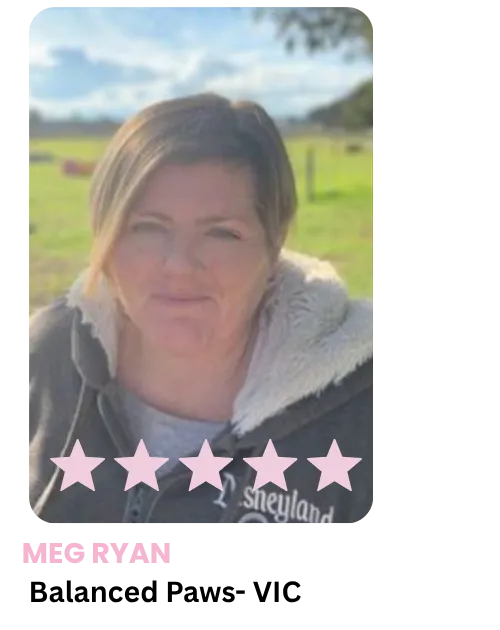
Meg's Story: From 10 Dogs to 200. How a Service Business Owner Learned to Scale and Then Rebrand Herself
"When you don't believe in yourself, it impacts the results you're getting in your business. But once you break through that, you start to get that confidence. And it's the little wins that help. Embrace those little ones, the warm and the fuzzies. That's what takes you through."
Meg is the owner of Balanced Pause, a dog daycare and behavioural specialist business in Victoria. But her real story starts six years ago when she walked away from a secure corporate paycheck. She'd worked in local government, Australian government, big corporations, non-profits. The stability was real. The lifestyle felt safe. But her gut kept saying there's more to me than this.
So she bought a failing dog daycare. It was serving 10 dogs a week. Most people would've looked at those numbers and walked. Meg saw possibility.
Then COVID hit. Everything shut down. But something shifted in the market. People suddenly needed dog socialisation. Demand exploded. She navigated the chaos, scaled the operation, hired a team. Now she's running 200 dogs a week with six staff members. The business thrives. She's profitable. She's got space in her life. She takes her own dogs to daycare.
But here's where Meg's real transformation sits. She's successful at a brick-and-mortar play. She's proven she can scale operations, build a team, make it work. Now she's staring at something way harder.
She wants to shift from selling a service to selling herself. She's got all these ideas about online programs, stages, speaking, coaching. She's got the knowledge and experience that people would pay for. But she's stuck. Analysis paralysis. Perfectionism. Deep stuff about self-worth and whether she can actually sell herself instead of a product. Because when you're selling Balanced Pause, the business shields you. When you're selling Meg Ryan, it's personal. It's vulnerable. And if it doesn't work, it feels like rejection of who she is, not just a failed offer.
When Meg started working with you, you didn't just throw tactics at her. You dug into the limiting beliefs. Why is she holding back? What's the real story she's telling herself? And then you mapped it out. You gave her a roadmap from where she is to where she wants to go. You helped her see that scaling a team is one skill, but pivoting into a personal brand requires her to do the internal work first.
Meg's still in the middle of this shift. But she's clear now. She knows what's possible. She's got the blueprint. And she's got momentum because she's not trying to figure it out alone.
Here's what Meg says about it: "I have all of these ideas, but I had no roadmap on how to achieve them. My head kept getting in my way. But when you put all the plan together, you keep procrastinating and hit analysis paralysis. It wasn't about doubting that I could do a business because I felt I'd done that part, but I just couldn't get through to that next level. For many reasons that Sarah and I spent many hours delving into."
And this one's the real shift: "I'm trying to sell myself and what it is that I bring to the table, and if I get any knockbacks or it doesn't work, it's very hard not to take it personally."
That's the whole arc right there. Scaled a service business. Proved she could lead and delegate. Now facing the harder thing: believing she's worth paying for as a person, not just as a product or facility. The transformation isn't operational anymore. It's identity.
These women didn't figure it out alone. They had clarity, real support, and a roadmap that fit their actual lives. That's what Biz School is.
Join 1,500+ rural and regional women in Biz School. Get your roadmap, your community, and your weekly coaching—without leaving home.

Business Coaching for
Rural & Regional Women
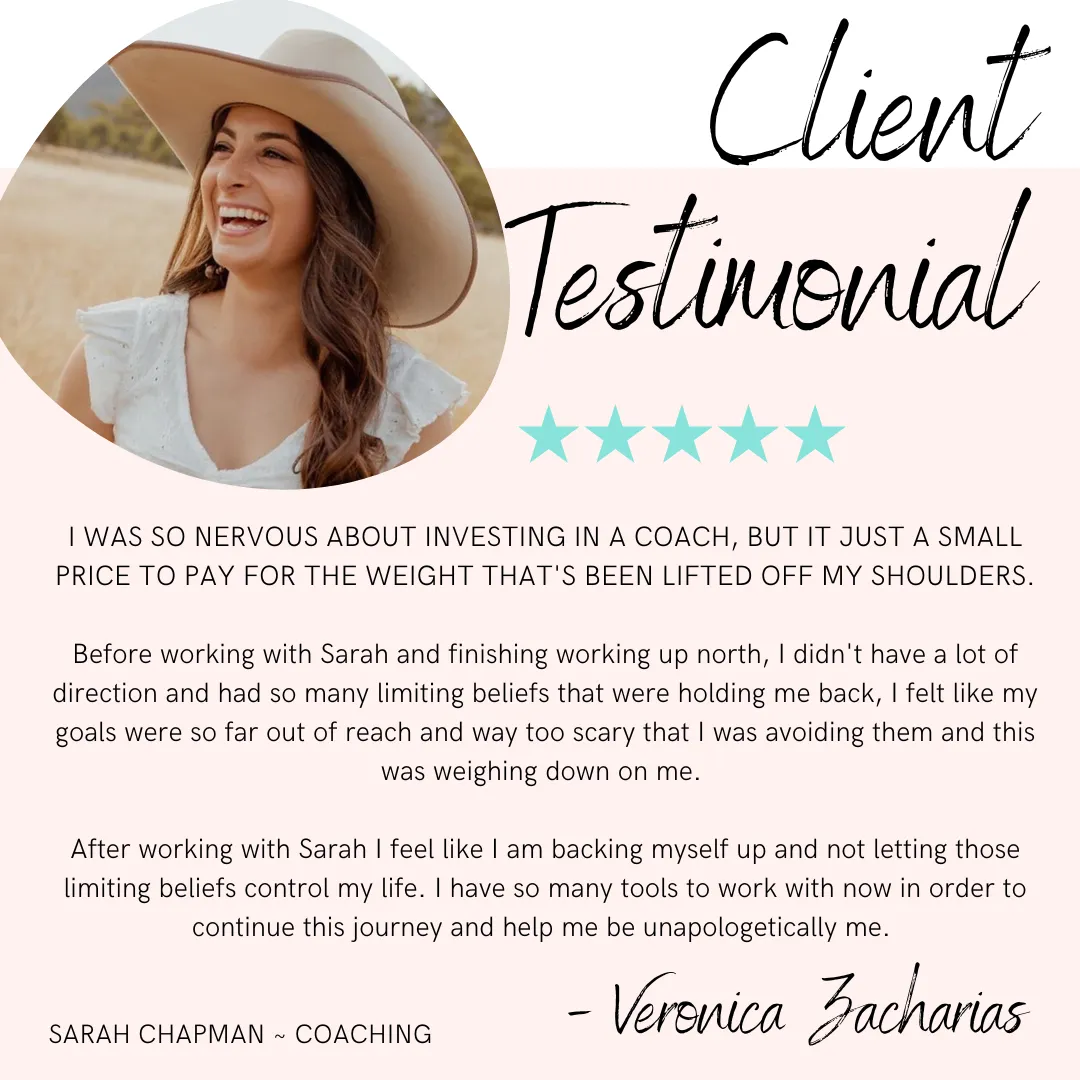
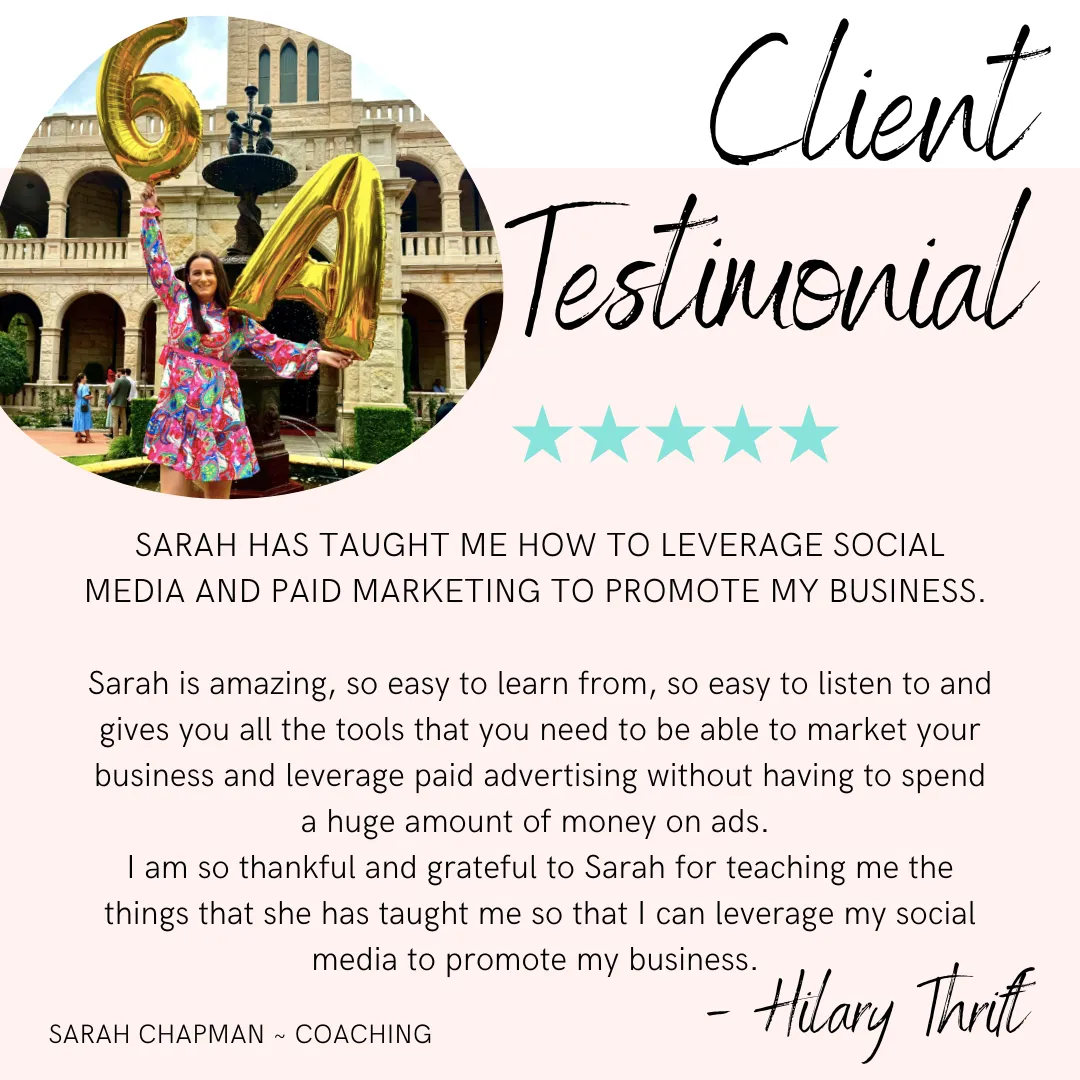
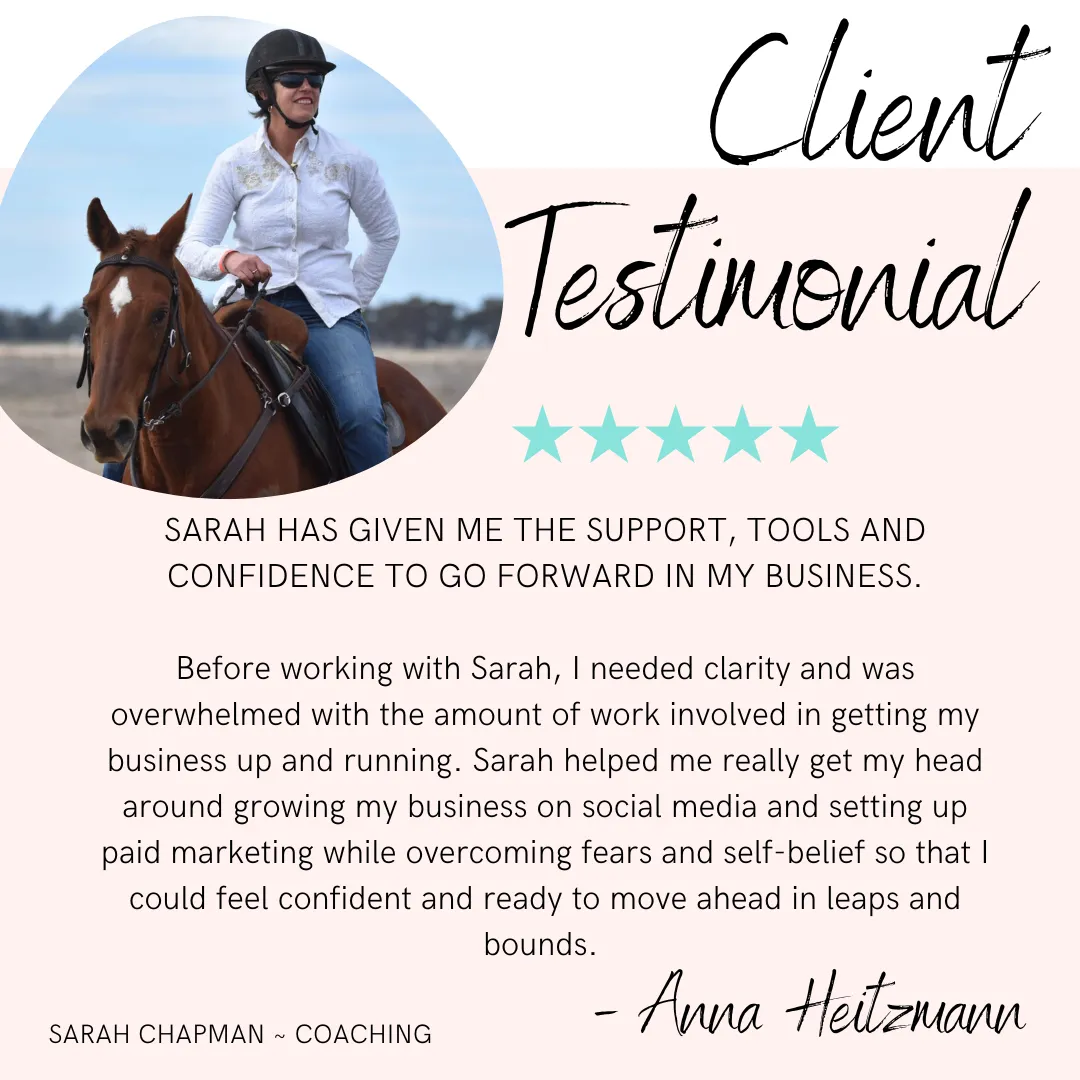
Client Love . Client Love . Client Love . Client Love . Client Love
.Client Love . Client Love. Client Love. Client Love. Client Love. Client Love. Client Love
Claire, Regional Vic
Wise Women Retreats & Menopause Coach
MADeline, Central QLD
The Barn at the Mountain - Wedding Venue
Suzanne, Regional SA
The Kindness Croft - Goats milk soap
Tash, Regional NSW
Seen & Herd Equine Therapist
Claire, Regional Vic
Wise Women Retreats & Menopause Coach
MADeline, Central QLD
The Barn at the Mountain - Wedding Venue
Client Love . Client Love . Client Love . Client Love . Client Love
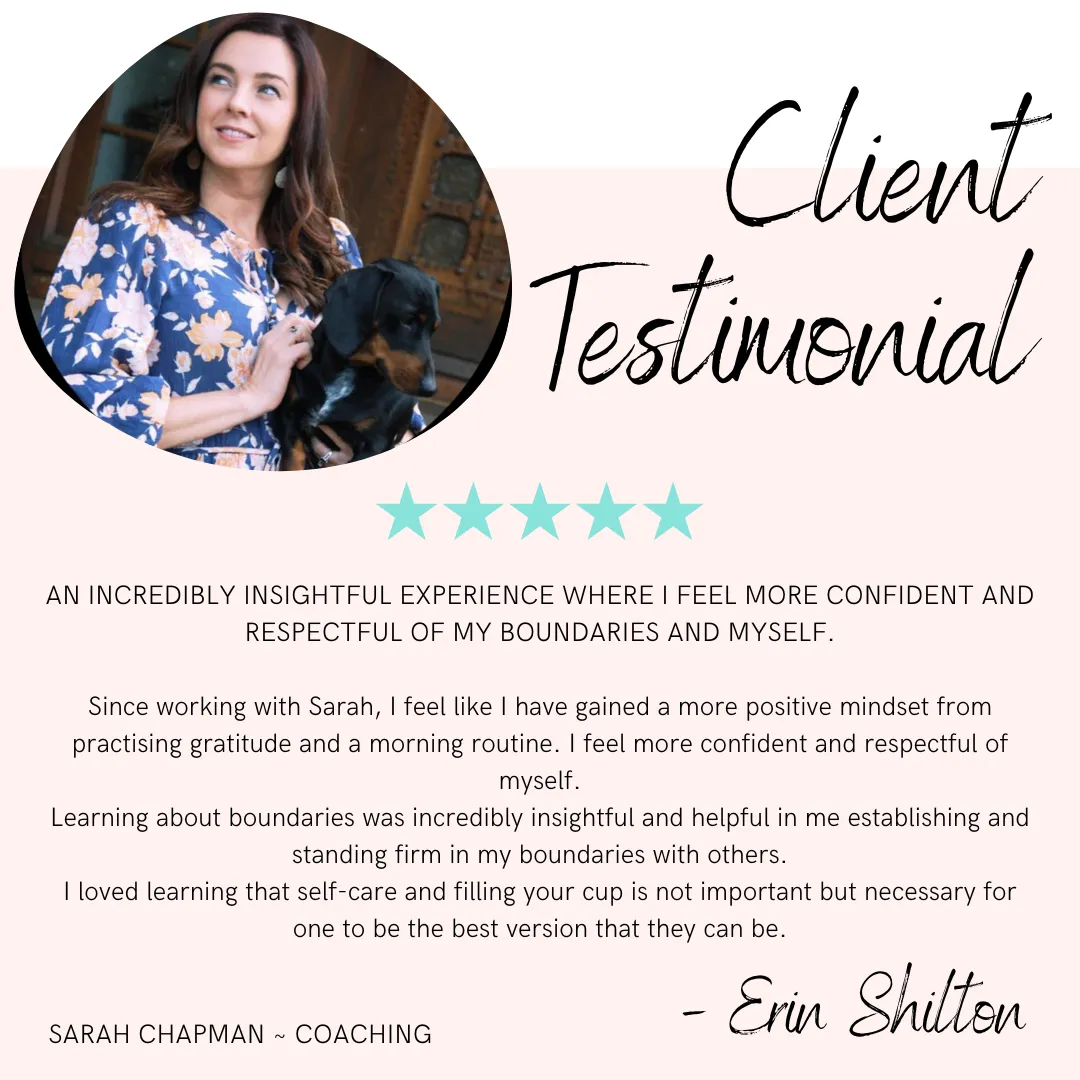
Tash, Regional NSW
Seen & Herd Equine Therapist
Suzanne, Regional SA
The Kindness Croft - Goats milk soap
.Client Love . Client Love. Client Love. Client Love. Client Love. Client Love. Client Love

